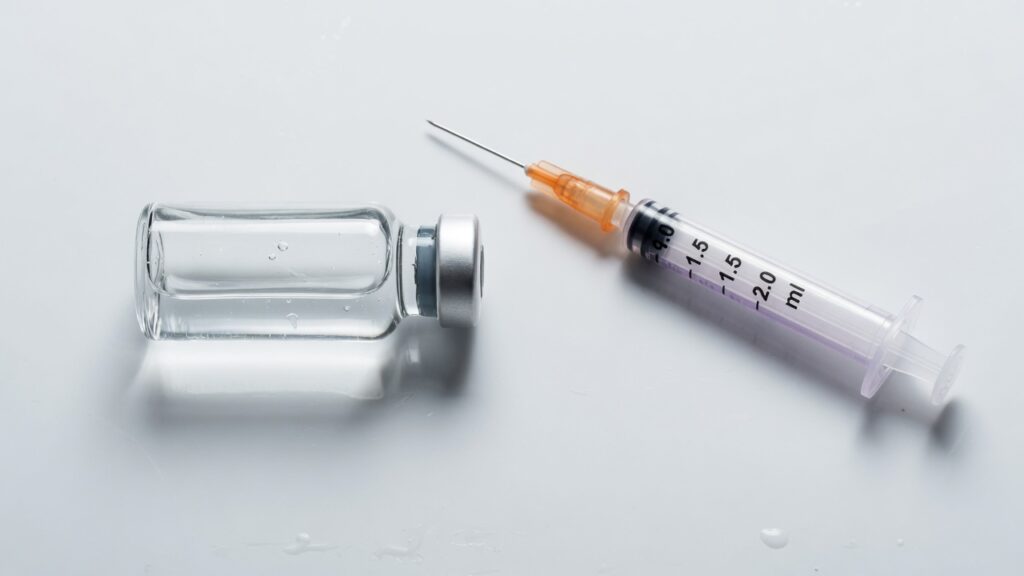
What is reconstitution?
Reconstitution is the process of dissolving a lyophilised (freeze-dried) peptide powder in a suitable solvent to create a solution for use in laboratory research. Most research peptides are supplied as lyophilised powder to maximise stability during storage and shipping. Before use in any in vitro research protocol, the powder must be reconstituted into a liquid form.
What you will need
- Lyophilised peptide vial
- Bacteriostatic water (BAC water) — the most commonly used solvent for research peptides
- 1ml or 2ml sterile syringe
- Alcohol swabs
- A clean, sterile work surface
Choosing a solvent
Bacteriostatic water (0.9% benzyl alcohol in sterile water) is the standard solvent for most research peptides. The benzyl alcohol acts as a preservative, inhibiting microbial growth and extending the usable life of the reconstituted solution when stored at 4°C. For peptides that are poorly soluble in BAC water, alternative solvents such as dilute acetic acid (0.1%) or DMSO may be required — consult the relevant literature for your specific compound.
Step-by-step reconstitution protocol
The following protocol is for general laboratory reference only.
- Clean your work surface and wash hands thoroughly.
- Wipe the rubber stoppers of both the peptide vial and BAC water vial with alcohol swabs. Allow to air dry.
- Draw the desired volume of BAC water into a sterile syringe. The volume used will determine the concentration of your solution — for example, adding 1ml to a 5mg vial yields a 5mg/ml solution.
- Insert the syringe needle through the rubber stopper of the peptide vial at an angle, directing the stream of BAC water down the inside wall of the vial rather than directly onto the powder. This minimises foaming and degradation.
- Do not shake the vial. Instead, gently swirl or roll it between your palms until the powder is fully dissolved. This may take 1–2 minutes.
- Inspect the solution — it should be clear and colourless. If cloudiness or particulates are present, do not use the solution.
- Label the vial with the date of reconstitution, concentration, and compound name.
Calculating concentration
The concentration of your reconstituted solution is determined by the amount of solvent added. Use the following formula:
Concentration (mg/ml) = Peptide mass (mg) ÷ Volume of solvent added (ml)
For example: a 10mg vial reconstituted with 2ml BAC water = 5mg/ml solution.
Storage after reconstitution
Once reconstituted, peptide solutions should be stored at 4°C (standard laboratory refrigerator temperature) and used within 28 days. Avoid repeated freeze-thaw cycles as these degrade peptide integrity. If longer-term storage is required, aliquot the solution into smaller volumes before freezing.
Important notes
All peptides supplied by Trutide are intended for in vitro laboratory research only. This guide is provided for scientific reference purposes. Researchers are responsible for following all applicable laboratory safety protocols and institutional guidelines.